Journal
Baroque Violin Maker: What Serious Musicians Actually Mean
Custom baroque violins for musicians seeking depth, clarity, and real musical response
March 2026 — The Hague
What Musicians Mean by “Baroque Violin”
When musicians look for a baroque violin, the definition is usually already in place.
A baroque violin is understood as a violin with a shorter neck, veneered fingerboard, gut strings, and a certain sound associated with early music ensembles. This description is accurate—but incomplete.
When musicians look for a baroque violin, they are not looking for an object, but for an instrument that will hold under real musical conditions, respond when asked, allow nuance instead of resisting it, and remain stable across pitch, repertoire, and context—not only when everything is ideal, but precisely when it is not.
If you are already comparing instruments, you may wish to explore the violin models or view the collection at a glance, but it usually does not take long before a deeper distinction begins to emerge.
You tried many violins. Many look convincing, and some remain convincing for a while, yet sooner or later the question becomes unavoidable: not all violins serve the same musical world, not all makers work from the same understanding, and not all instruments—however well made—are capable of sustaining serious musical work.
You feel it in practice, often before you can explain it. Either the instrument supports what you are trying to do, or you find yourself gradually working around it, adjusting, compensating, and limiting what would otherwise be possible. That difference is not small.
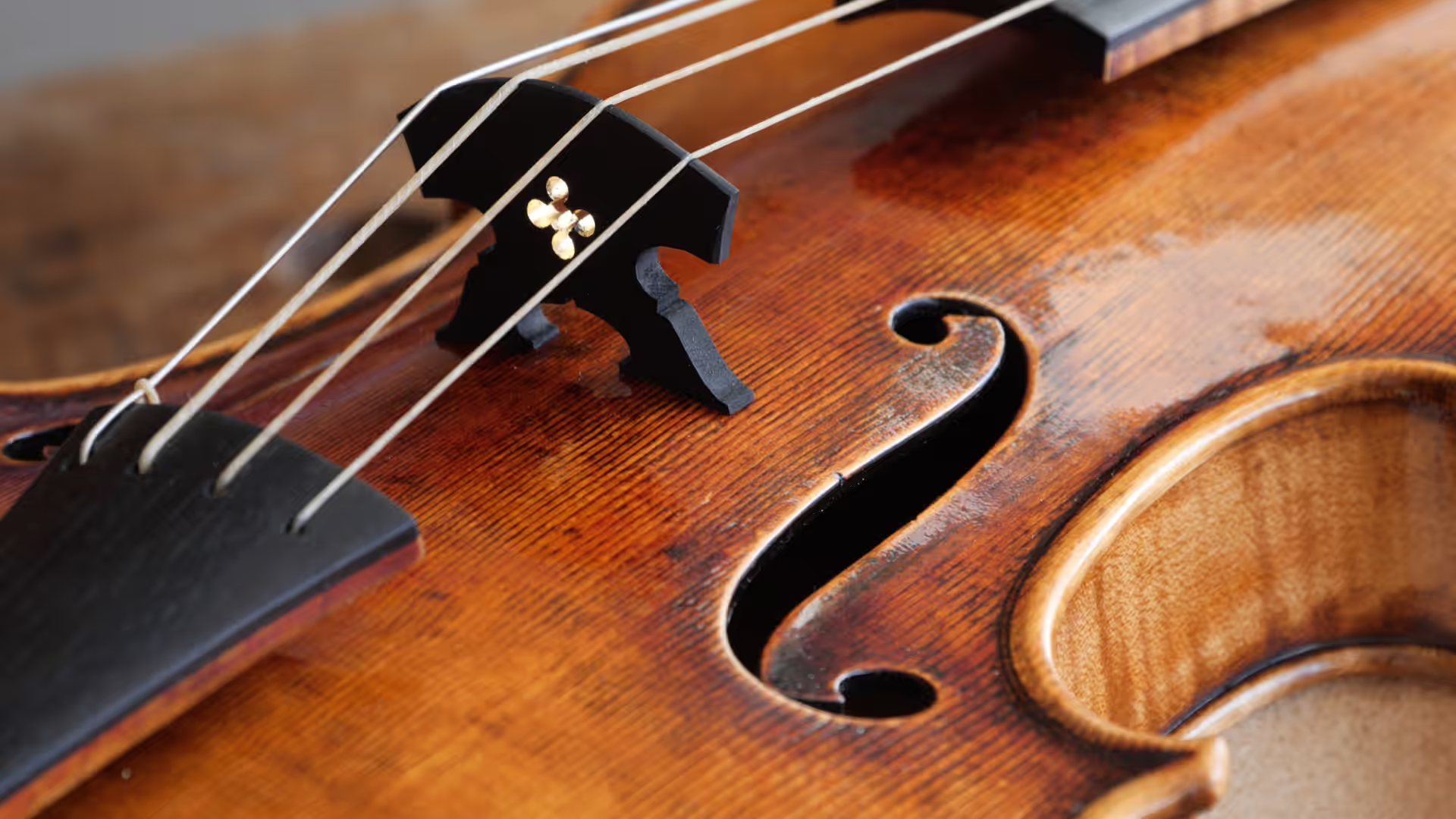
Close-up: the first Baroque violin of 2026.
What Musicians Mean by “Baroque Violin”
When musicians look for a baroque violin, the definition is usually already in place.
A baroque violin is understood as a violin with a shorter neck, veneered fingerboard, gut strings, and a certain sound associated with early music ensembles. This description is accurate—but incomplete.
When musicians look for a baroque violin, they are not looking for an object, but for an instrument that will hold under real musical conditions, respond when asked, allow nuance instead of resisting it, and remain stable across pitch, repertoire, and context—not only when everything is ideal, but precisely when it is not.
If you are already comparing instruments, you may wish to explore the violin models or view the collection at a glance, but it usually does not take long before a deeper distinction begins to emerge.
You tried many violins. Many look convincing, and some remain convincing for a while, yet sooner or later the question becomes unavoidable: not all violins serve the same musical world, not all makers work from the same understanding, and not all instruments—however well made—are capable of sustaining serious musical work.
You feel it in practice, often before you can explain it. Either the instrument supports what you are trying to do, or you find yourself gradually working around it, adjusting, compensating, and limiting what would otherwise be possible. That difference is not small.
What Makes a Serious Baroque Violin — Beyond Surface
It is often mistaken for a question of quality and specifications. It is not. The distinction becomes clear in comparison to playing attitudes. Give a modern violinist a 17th or 18th century Adagio, and it will often be realised exactly as written: whole notes, sustained sound, continuous vibrato, even bowing, everything refined, controlled, and convincingly expressive.
Give the same music to a musician working within historically informed practice, and something else happens. The notation is no longer treated as a finished object, but as a point of departure. Whole notes open into movement of passages and ornamentation, articulation begins to speak, bow direction carries weight. Blank score becomes a field of musical decisions.
The parallel is imperfect—a performer leaves no object behind—but in both cases the distinction is the same: whether you are working from the surface of a tradition or from what generated that surface.
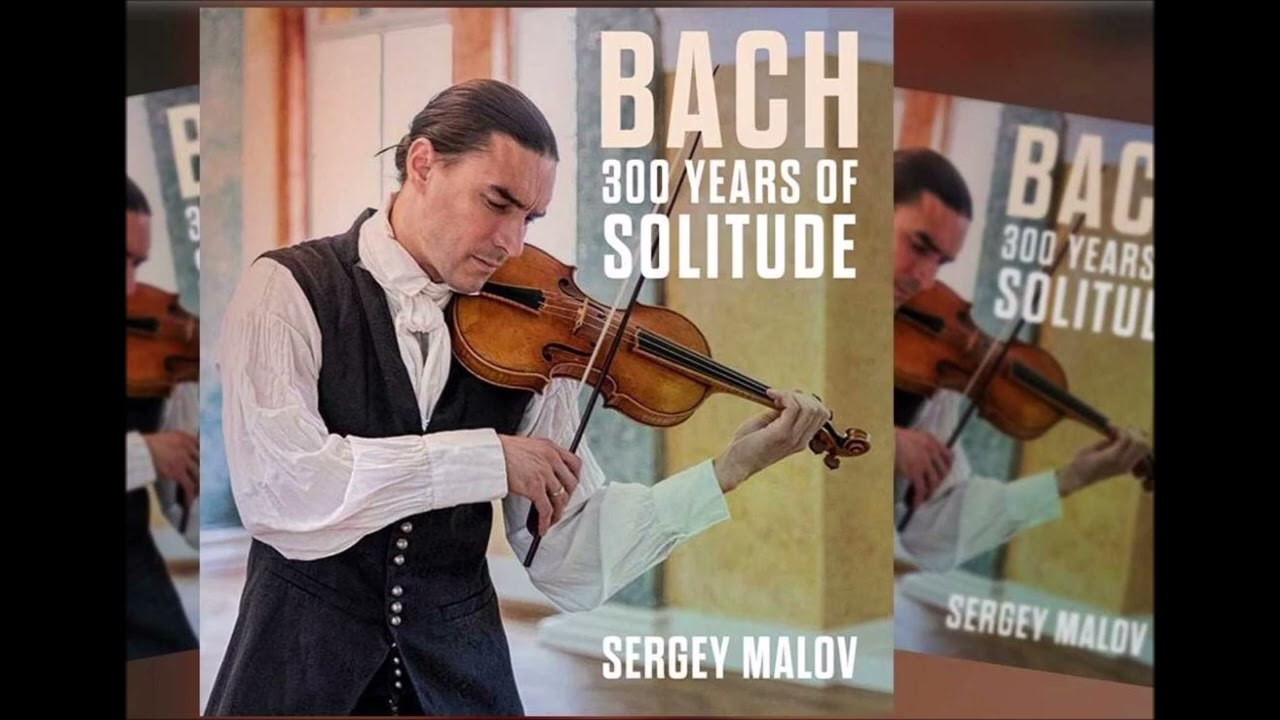
The Art of Fugue Violin under real musical conditions.
What Makes a Serious Baroque Violin — Beyond Surface
It is often mistaken for a question of quality and specifications. It is not. The distinction becomes clear in comparison to playing attitudes. Give a modern violinist a 17th or 18th century Adagio, and it will often be realised exactly as written: whole notes, sustained sound, continuous vibrato, even bowing, everything refined, controlled, and convincingly expressive.
Give the same music to a musician working within historically informed practice, and something else happens. The notation is no longer treated as a finished object, but as a point of departure. Whole notes open into movement of passages and ornamentation, articulation begins to speak, bow direction carries weight. Blank score becomes a field of musical decisions.
The parallel is imperfect—a performer leaves no object behind—but in both cases the distinction is the same: whether you are working from the surface of a tradition or from what generated that surface.
The Real Difference in a Baroque Violin Is Not Quality
The difference is not "quality", in the modern, shallow sense of the word, but the vantage point from which the making and the music are approached.
A serious baroque violin is subject to the same distinction. It is not a well-executed version of a known form, just as historically informed playing is not a more careful reading of notation. It comes from understanding what gave rise to that form in the first place, and from working within that space rather than reproducing its surface, or projecting a later narrative upon music created with a different purpose.
Each model I build is based on a different musical logic and results in a distinct playing character, which you can explore by comparing the violin models.
When this alignment is present, the instrument is no longer experienced as a neutral tool. It begins to support the kind of articulation, timing, colour, and phrasing the music asks for.
A Baroque Violin Maker Must Understand Music from the Inside
A violin maker can reproduce measurements with great precision, but that is not the same as understanding the musical life an instrument must sustain.
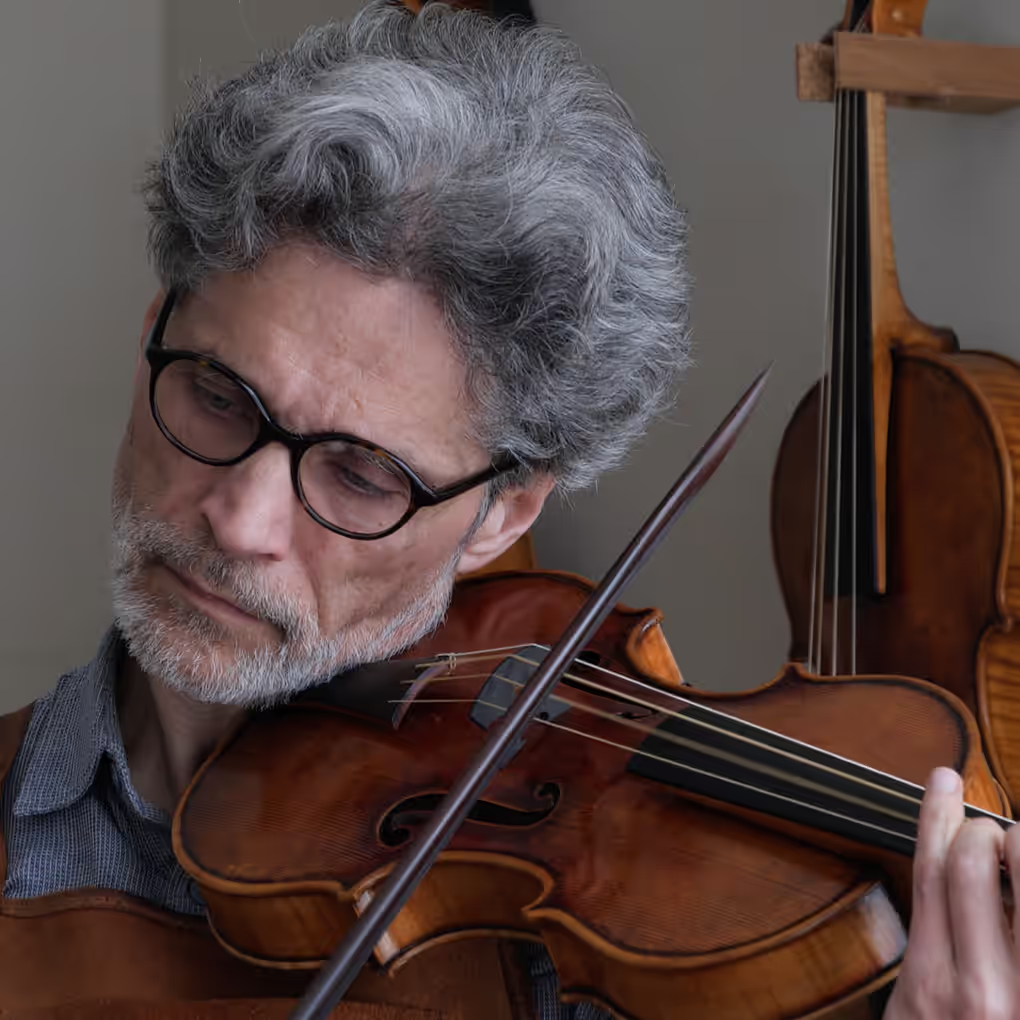
My work has been shaped not only by making, but by decades of performing within the world of early music, including work with ensembles such as La Petite Bande, Ricercar Consort and Bach Collegium Japan. Several of the instruments I built during this period were made for musicians working within these ensembles. There the behaviour of an instrument under real musical conditions becomes immediately evident.
It is there that the two aesthetics meet—historically informed performance and historically informed making—not as theory, but as necessity. Wood is shaped in relation to musical phrases, articulation, the rhythm of language, the balance of other instruments, and the demands of spaces where a baroque violin must carry without forcing and blend without disappearing.
A baroque violin is not built for isolation; it is built for a musical context, and that is why a commission is not simply a purchase, but a collaboration ordered toward music.
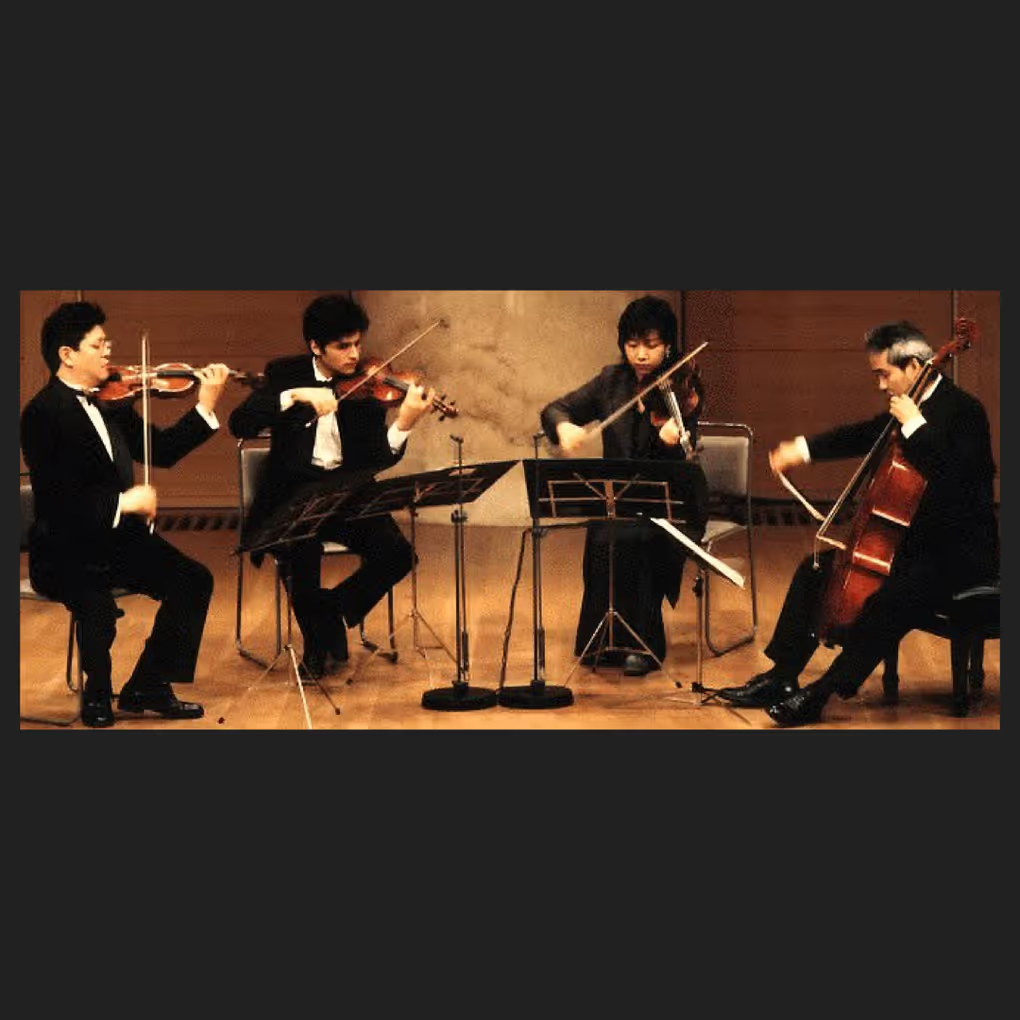
Playing with Mito dell'Arco - a quartet on historical instruments, Japan 1999. From left to right: Ryo Terakado, the author, Yoshiko Morita, Hidemi Suzuki.
A Baroque Violin Maker Must Understand Music from the Inside
A violin maker can reproduce measurements with great precision, but that is not the same as understanding the musical life an instrument must sustain.
My work has been shaped not only by making, but by decades of performing within the world of early music, including work with ensembles such as La Petite Bande, Ricercar Consort and Bach Collegium Japan. Several of the instruments I built during this period were made for musicians working within these ensembles. There the behaviour of an instrument under real musical conditions becomes immediately evident.
It is there that the two aesthetics meet—historically informed performance and historically informed making—not as theory, but as necessity. Wood is shaped in relation to musical phrases, articulation, the rhythm of language, the balance of other instruments, and the demands of spaces where a baroque violin must carry without forcing and blend without disappearing.
A baroque violin is not built for isolation; it is built for a musical context, and that is why a commission is not simply a purchase, but a collaboration ordered toward music.
Baroque Violin Making: Creation, Not Surface Replication
Much of violin making today begins from a model, whether a poster of a Stradivari or an original instrument on the bench. A form is selected, measurements are extracted, and the result is reproduced with varying degrees of sensitivity.
There is skill in this approach. It is how Classical music is also often performed today—from a fixed notation, treated as a complete object.
But Baroque music does not begin in reverence for its own surface, and neither does serious baroque violin making.
It comes from the same roots that feed the music itself, where notation is not an end, but a trace of something that existed before it, and where form is not merely reproduced, but generated from an underlying musical order.
This is the basis of what I call Sound Alchemy: Badiarov’s harmony-first design method, in which musical relationships are studied before they are translated into outline, proportion, response, and voice. For example, the Dies Irae violin is not derived from a copied outline, but from musical logic allowed to take form.
The goal is not originality, and not the rejection of historical authority, but a deeper alignment with it—with what the makers themselves were seeking, long before their work became something to be copied.
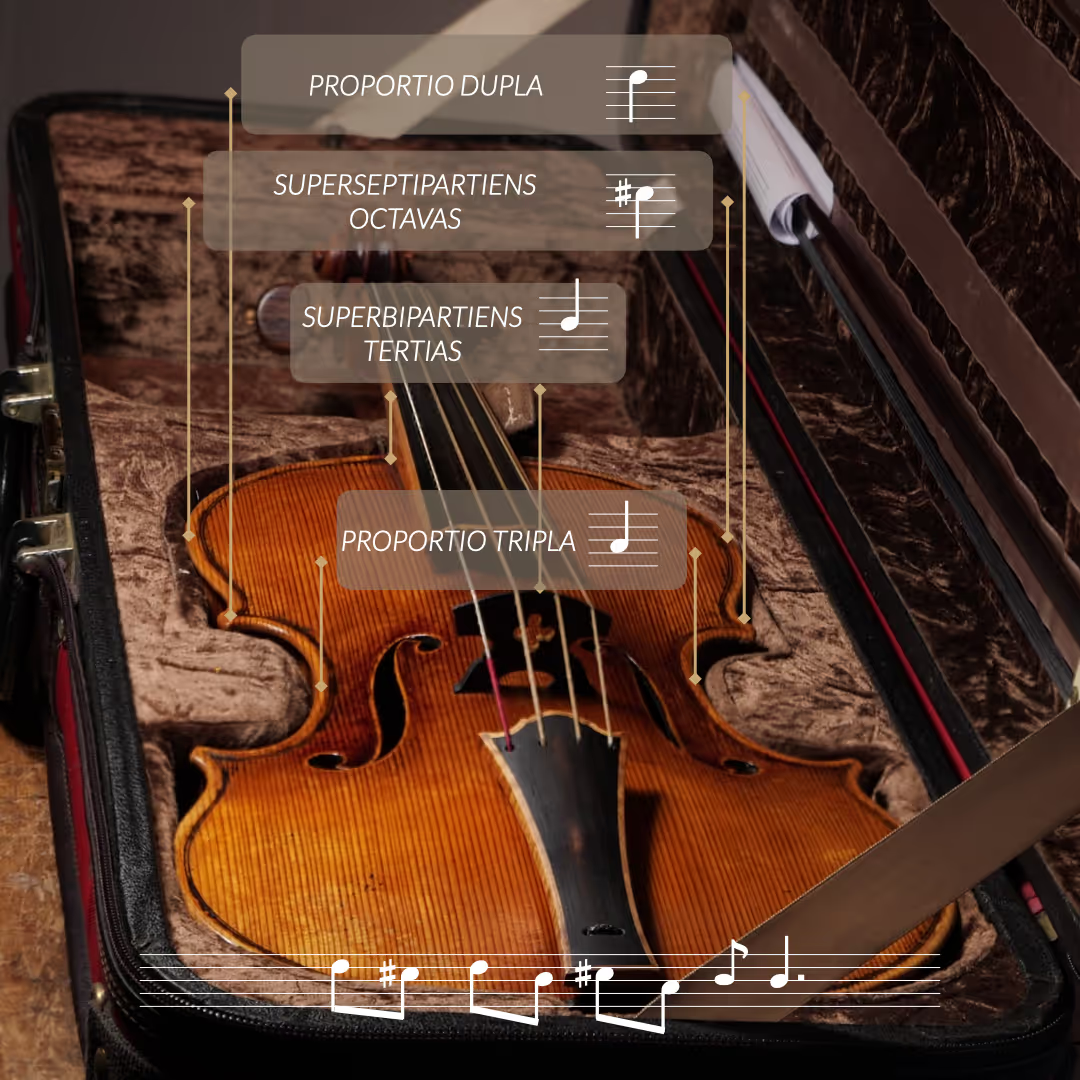
This is not mysticism. The outline of the Dies Irae violin was not taken from any historical instrument — it was derived from interval proportions in the hymn it is named after.
Baroque Violin Making: Creation, Not Surface Replication
Much of violin making today begins from a model, whether a poster of a Stradivari or an original instrument on the bench. A form is selected, measurements are extracted, and the result is reproduced with varying degrees of sensitivity.
There is skill in this approach. It is how Classical music is also often performed today—from a fixed notation, treated as a complete object.
But Baroque music does not begin in reverence for its own surface, and neither does serious baroque violin making.
It comes from the same roots that feed the music itself, where notation is not an end, but a trace of something that existed before it, and where form is not merely reproduced, but generated from an underlying musical order.
This is the basis of what I call Sound Alchemy: Badiarov’s harmony-first design method, in which musical relationships are studied before they are translated into outline, proportion, response, and voice. For example, the Dies Irae violin is not derived from a copied outline, but from musical logic allowed to take form.
The goal is not originality, and not the rejection of historical authority, but a deeper alignment with it—with what the makers themselves were seeking, long before their work became something to be copied.
What Was Lost Between Historical Making and Modern Violin Making
This way of working did not disappear because it was proven wrong. It was displaced.
Over time, continuity gave way to rupture, and what had once been a living understanding became something to be observed, admired, and eventually reproduced.
In 1755, this shift was already becoming explicit. As Johann Joachim Winckelmann wrote, “The only way for us to become great, or even inimitable if possible, is to imitate the Greeks.”
Imitation replaced participation.
A few decades later, in 1795, Friedrich Schiller described the same shift more precisely: "The Greeks put us to shame not only by their simplicity, which is foreign to our age; they are at the same time our rivals, nay, frequently our models, in those very points of superiority from which we seek comfort when regretting the unnatural character of our manners."
In 1989, standing in the ruins of a two-thousand-year-old theatre, I asked Mstislav Rostropovich why it sounded more convincing than many modern halls designed with all the tools of contemporary acoustics.
He answered with a question: “What if the ancient masters knew something we simply forgot?”
What was lost was not knowledge alone, but relationship—between sound and form, between proportion and use, between making and the musical order it once served. Without that relationship, instruments may function, yet still feel incomplete: convincing in form, but lacking the deeper coherence that makes them musically necessary. This is why the question is not academic. It is something you hear—or do not hear—the moment you begin to play.
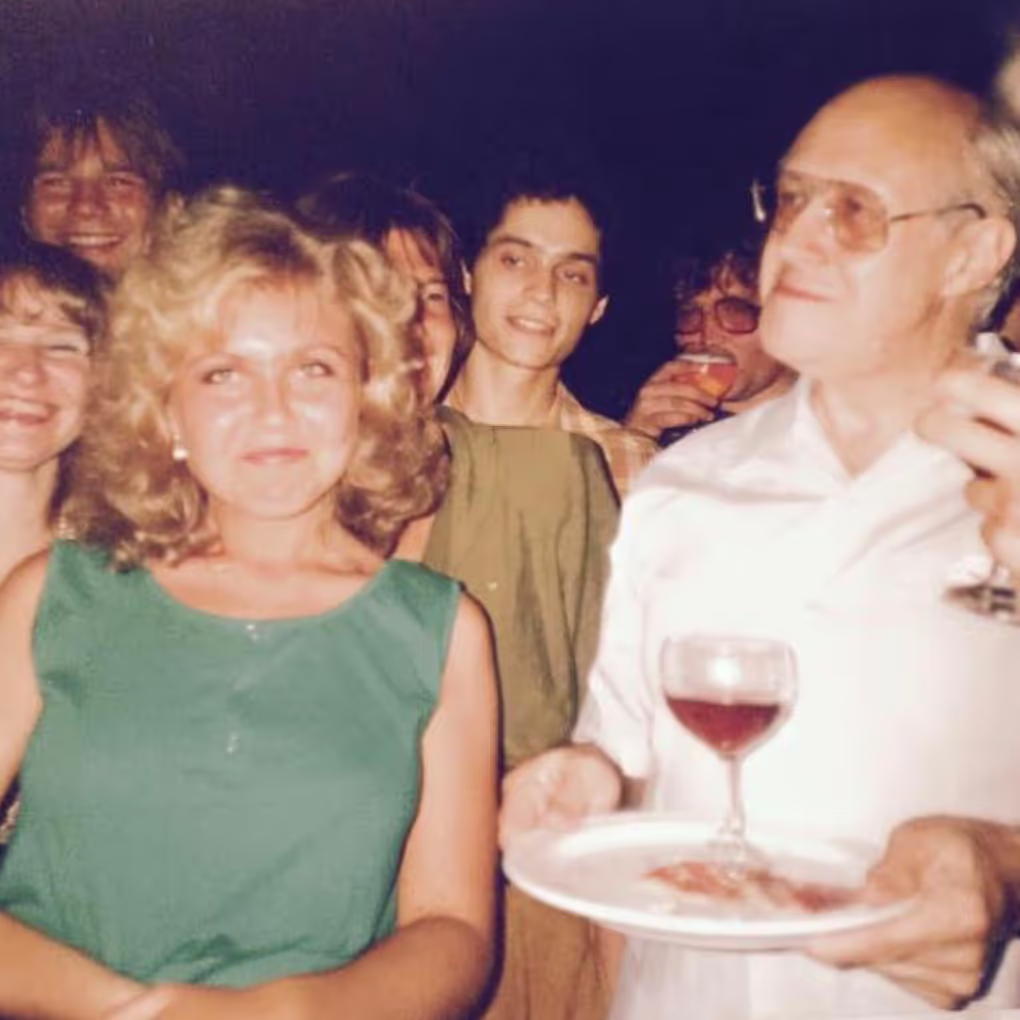
A party photograph from July 1989, Spain — playing Prokofiev under Rostropovich's baton, where he asked me what I would come to call the Rostropovich Question.
What Was Lost Between Historical Making and Modern Violin Making
This way of working did not disappear because it was proven wrong. It was displaced.
Over time, continuity gave way to rupture, and what had once been a living understanding became something to be observed, admired, and eventually reproduced.
In 1755, this shift was already becoming explicit. As Johann Joachim Winckelmann wrote, “The only way for us to become great, or even inimitable if possible, is to imitate the Greeks.”
Imitation replaced participation.
A few decades later, in 1795, Friedrich Schiller described the same shift more precisely: "The Greeks put us to shame not only by their simplicity, which is foreign to our age; they are at the same time our rivals, nay, frequently our models, in those very points of superiority from which we seek comfort when regretting the unnatural character of our manners."
In 1989, standing in the ruins of a two-thousand-year-old theatre, I asked Mstislav Rostropovich why it sounded more convincing than many modern halls designed with all the tools of contemporary acoustics.
He answered with a question: “What if the ancient masters knew something we simply forgot?”
What was lost was not knowledge alone, but relationship—between sound and form, between proportion and use, between making and the musical order it once served. Without that relationship, instruments may function, yet still feel incomplete: convincing in form, but lacking the deeper coherence that makes them musically necessary. This is why the question is not academic. It is something you hear—or do not hear—the moment you begin to play.
What a Custom Baroque Violin Is Really For
I remember a performance where the final note faded and no one applauded, because the silence that followed was so complete that no one wanted to break it. It held—long enough that both musicians and audience gave in to it.
That moment matters because a violin is not judged by tone alone. It is judged by whether it allows phrasing, timing, tension, release, and the shared attention of a room to become musically convincing.
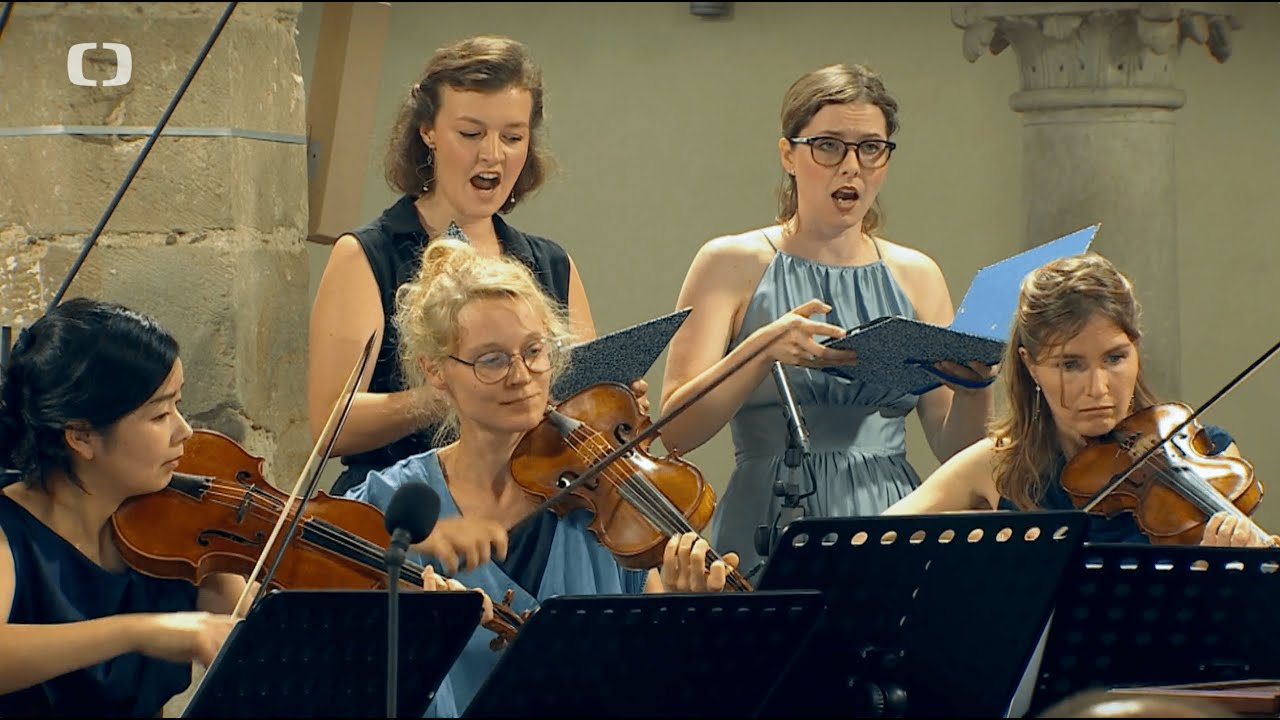
The Dies Irae violin — within the space it was made for. Play from 34:12.
What a Custom Baroque Violin Is Really For
I remember a performance where the final note faded and no one applauded, because the silence that followed was so complete that no one wanted to break it. It held—long enough that both musicians and audience gave in to it.
That moment matters because a violin is not judged by tone alone. It is judged by whether it allows phrasing, timing, tension, release, and the shared attention of a room to become musically convincing.
What This Is — and What It Is Not
This is often misinterpreted.
It is not a rejection of modern knowledge, nor an attempt to return to an imagined past. Much of what earlier makers understood intuitively, and documented, is now being described in the language of acoustics, materials science, and measurable response.
It is not a question of price or exclusivity either. This work exists to make instruments of this level more accessible, not less—to offer musicians something that belongs to the same lineage as the historical masters, without requiring access to rare and prohibitively expensive originals.
And it is not another standard to fail. On the contrary, it is a way of stepping out of externally imposed standards and working from principles that have guided musicians and makers for centuries—principles that allow each musician to find their own relationship within a living tradition, rather than conforming to a fixed idea of what that relationship should be.
If anything, it is a form of musical freedom based on historical understanding, not on artificially imposed limitations.
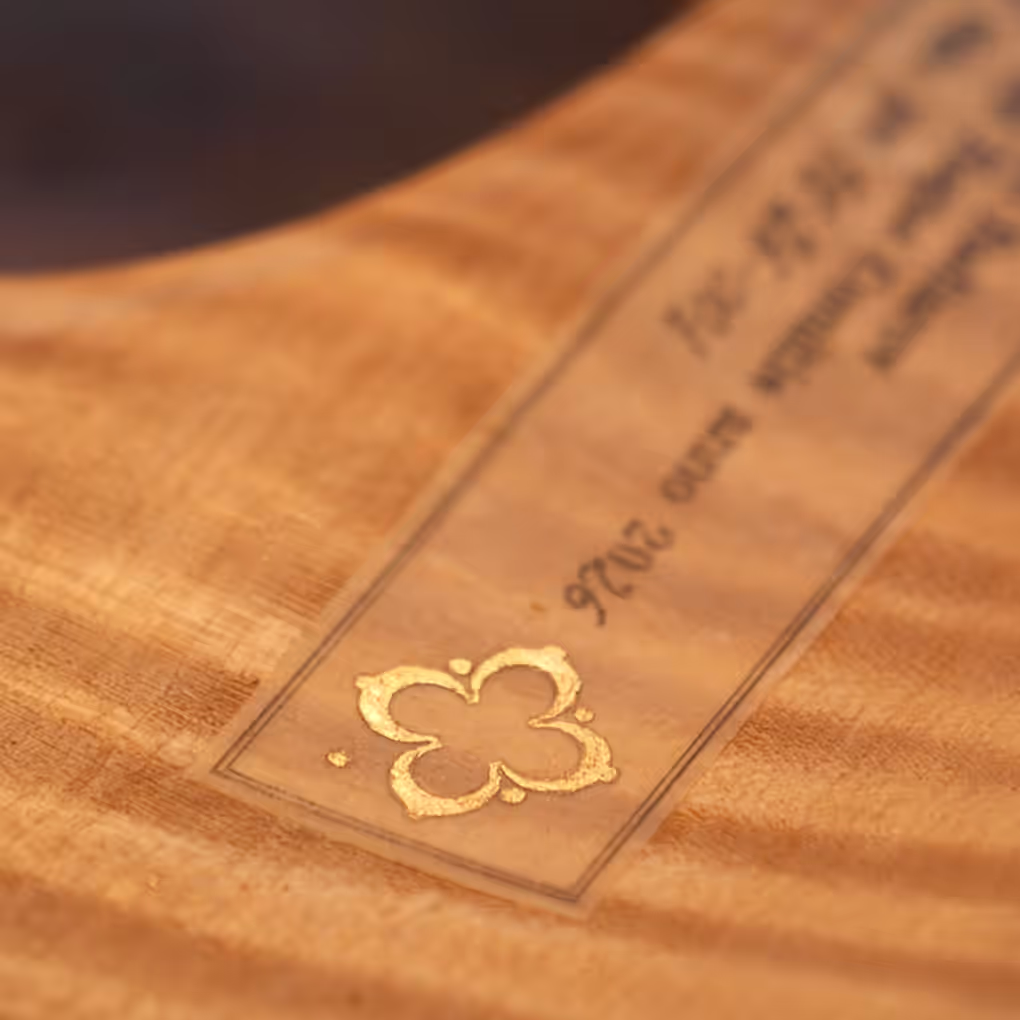
Close-up of the label on the first Baroque violin of 2026
What This Is — and What It Is Not
This is often misinterpreted.
It is not a rejection of modern knowledge, nor an attempt to return to an imagined past. Much of what earlier makers understood intuitively, and documented, is now being described in the language of acoustics, materials science, and measurable response.
It is not a question of price or exclusivity either. This work exists to make instruments of this level more accessible, not less—to offer musicians something that belongs to the same lineage as the historical masters, without requiring access to rare and prohibitively expensive originals.
And it is not another standard to fail. On the contrary, it is a way of stepping out of externally imposed standards and working from principles that have guided musicians and makers for centuries—principles that allow each musician to find their own relationship within a living tradition, rather than conforming to a fixed idea of what that relationship should be.
If anything, it is a form of musical freedom based on historical understanding, not on artificially imposed limitations.
Choosing a Baroque Violin Maker: What Alignment Looks Like
This is why I do not begin with specifications, even though they matter, but with whether the instrument can serve the musician’s purpose: supporting articulation, colour, timing, phrasing, and the physical relationship with sound.
This is also why choosing a baroque violin maker is not only a matter of comparison, but of alignment. At this point, the question is no longer what an instrument is, but whether it belongs to the same musical world you are trying to enter.
You can explore the violin models, review the collection, or look more closely at a specific instrument.
Or, if your direction has already become clear, we can continue from there. Let's speak.