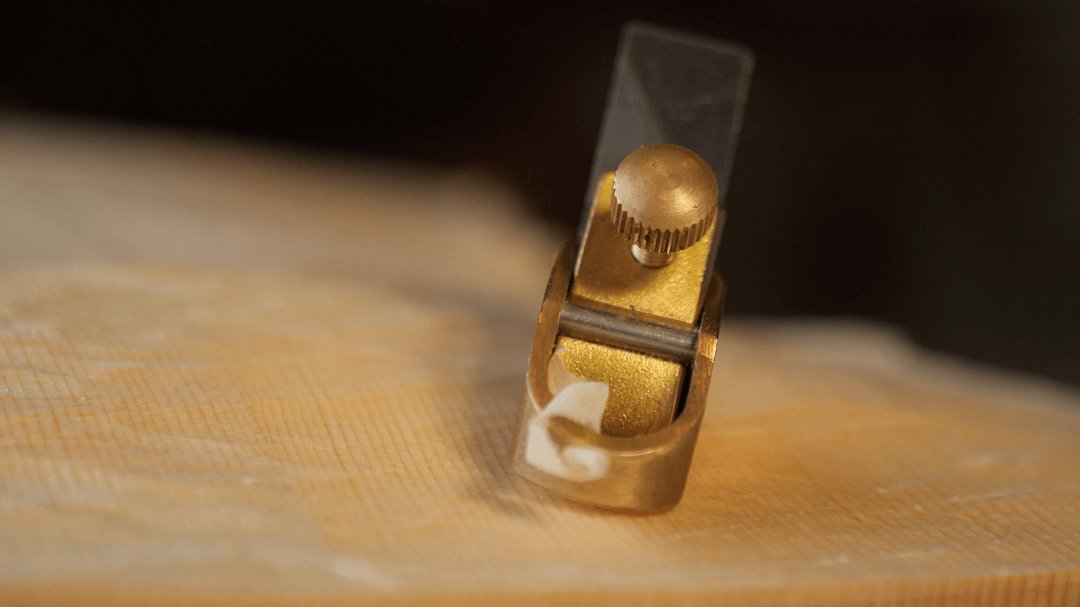
Historically Informed Violins
By violin maker Dmitry Badiarov.
The model names are not decorative. We continue where the masters left off: they started with harmonic ratios; we start with music made of those ratios.
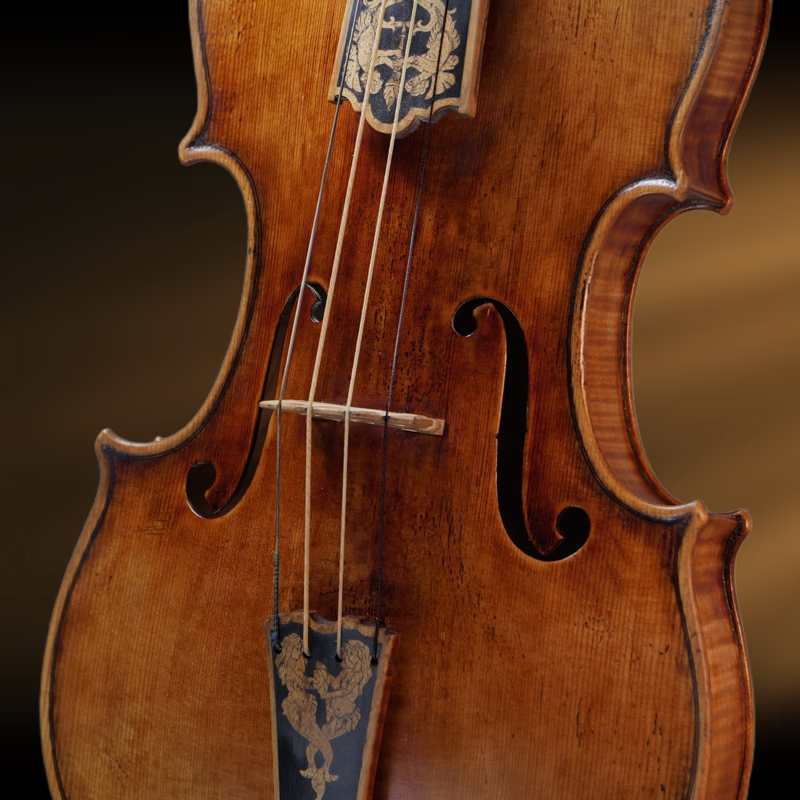
Violin — The Art of Fugue Model
Made by violin maker Dmitry Badiarov in The Hague.
Measurements and expression derived directly from Bach’s Art of Fugue.
Shaped for musicians who see music from the depths of centuries rather than just today’s trends.
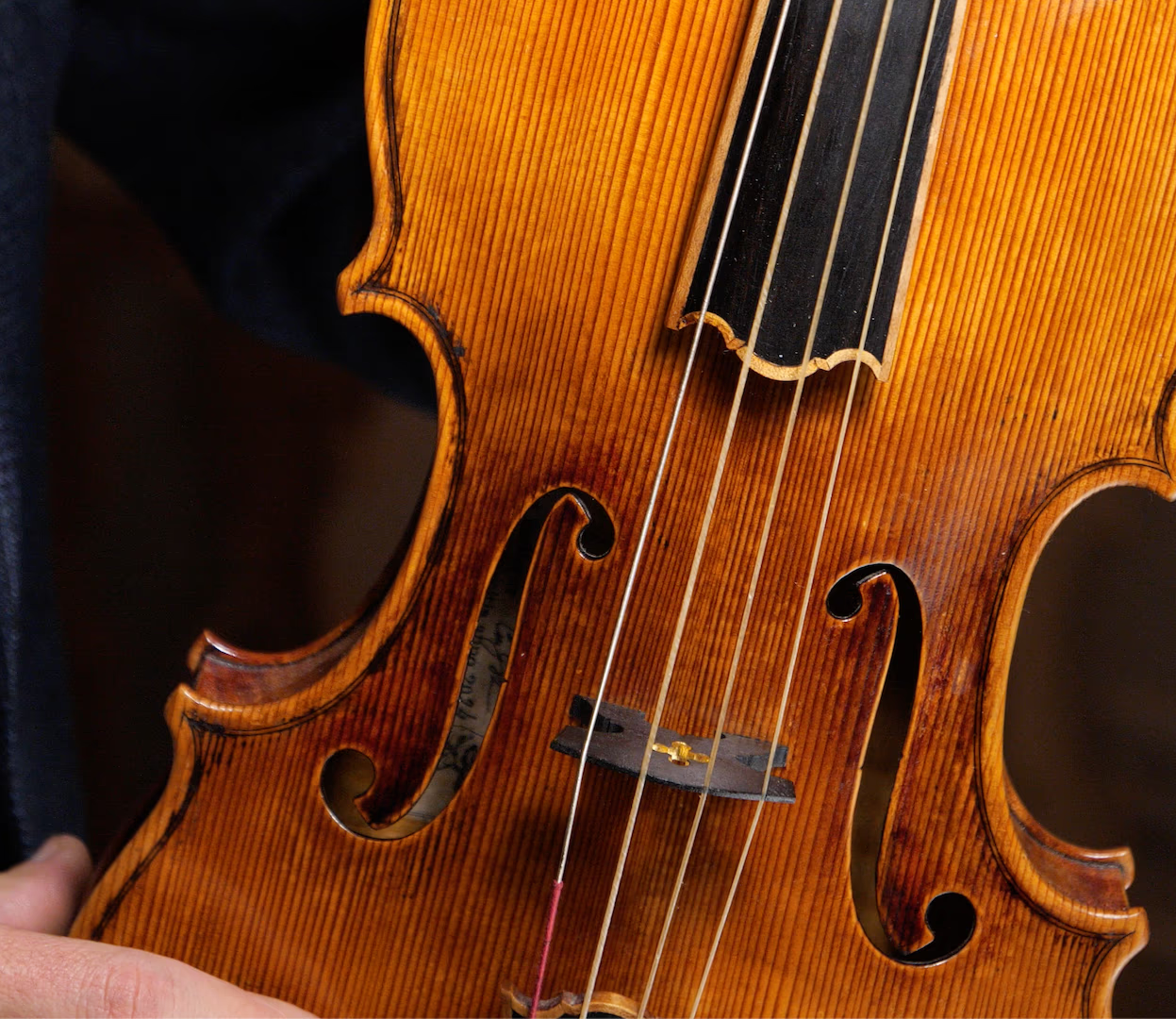
Violin — The Dies Irae Model
Made by violin maker Dmitry Badiarov in The Hague.
My most popular model, a tribute to the chant that inspired many composers for centuries, from Charpentier to Rachmaninoff.
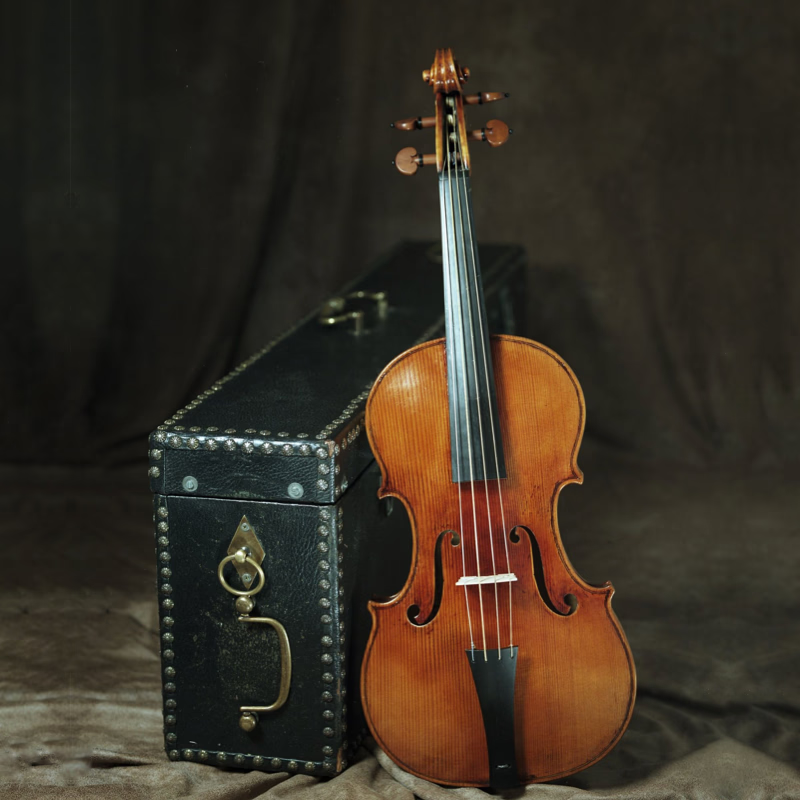
The Dissonances
A professional violin for smaller hands
A professional violin for smaller hands.
For five centuries violins were made exclusively with white men in mind.
This historically informed approach is our response to the fact that music has become more diverse and, in some fields, even predominantly female.
Playing Characteristics
Violin — The Art of Fugue Model
Measurements and expression derived directly from Bach’s Art of Fugue.
Shaped for musicians who appreciate that there is more depth to music than just the notation, and who see music from the depths of centuries rather than just today’s trends.Violin — The Dies Irae Model
Made by violin maker Dmitry Badiarov in The Hague.
My most popular model, a tribute to the chant that inspired countless composers.The Dissonances
A professional violin for smaller hands.
For five centuries violins were made exclusively with white men in mind. This historically informed approach is our response to the fact that music has become more diverse and, in some fields, even predominantly female.