Commissioning Process, Prices and FAQ
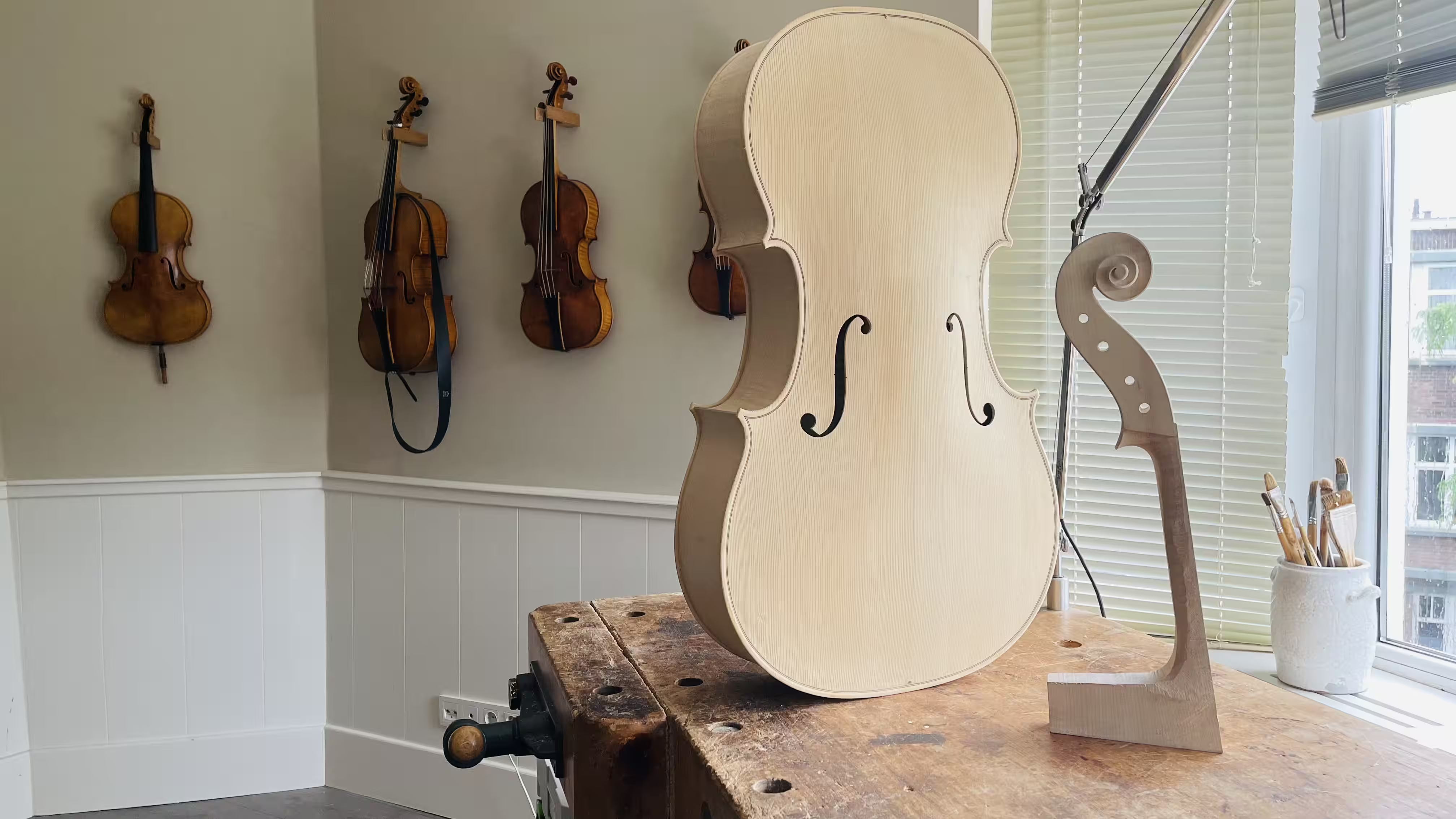
Commissioning Process, Prices and FAQ
At Badiarov Violins the work always begins with you in mind — the musician. The sound you seek, the repertoire you want to explore, ergonomics, response, and the progress you want the instrument to make possible.
It starts with conversation
Usually it starts with an email, a short phone call, or a WhatsApp exchange. We discuss what you like and do not like in your current instrument, your repertoire, playing style, sound ideal, and what you would like to have in an instrument made specifically for you.
What makes Badiarov Violins special
Normally, instruments begin with measurements derived from posters. At Badiarov Violins, music comes first. Measurements follow. This is the historically informed approach faithfully followed for more than three decades.
The model begins to take shape
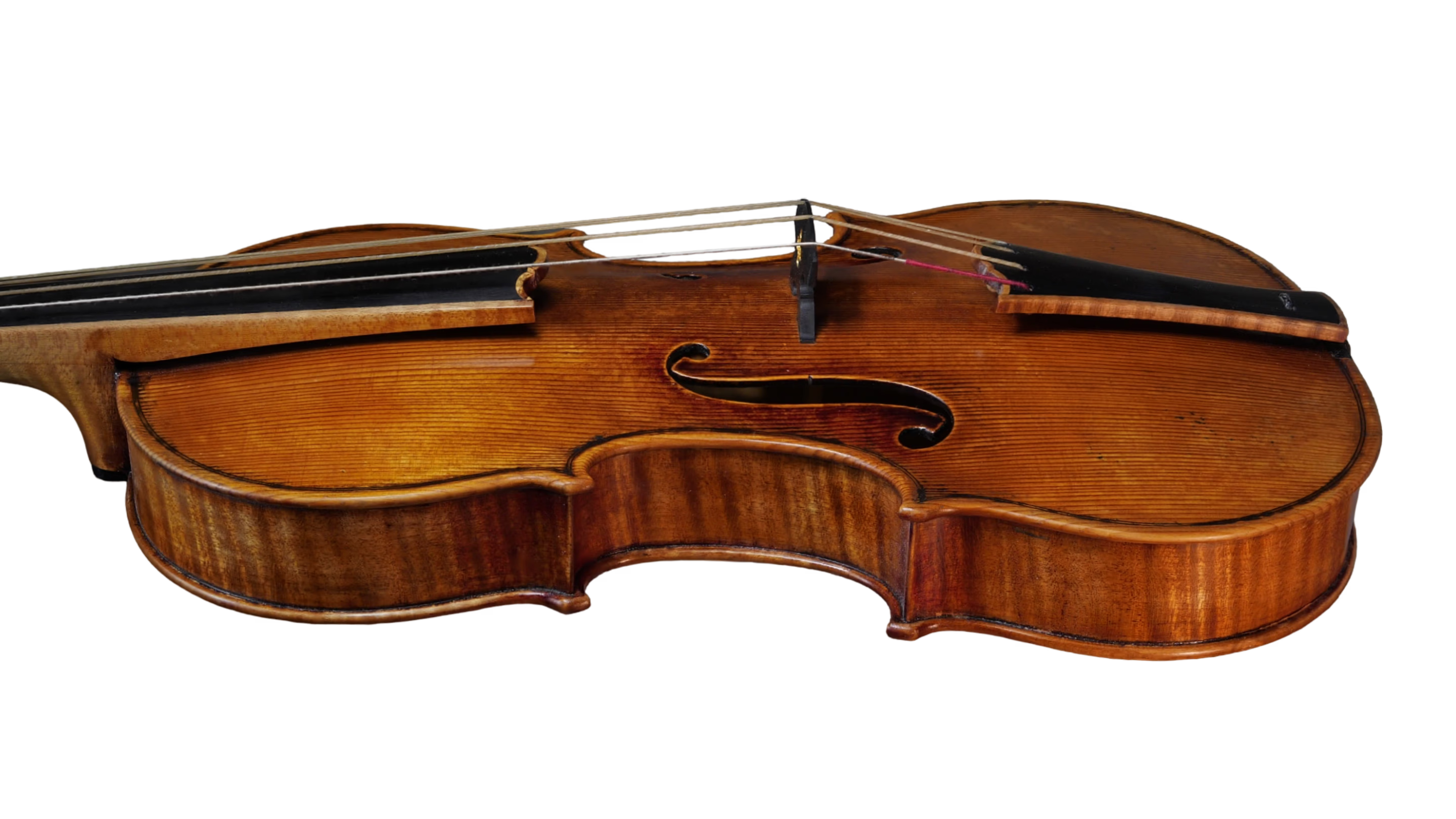
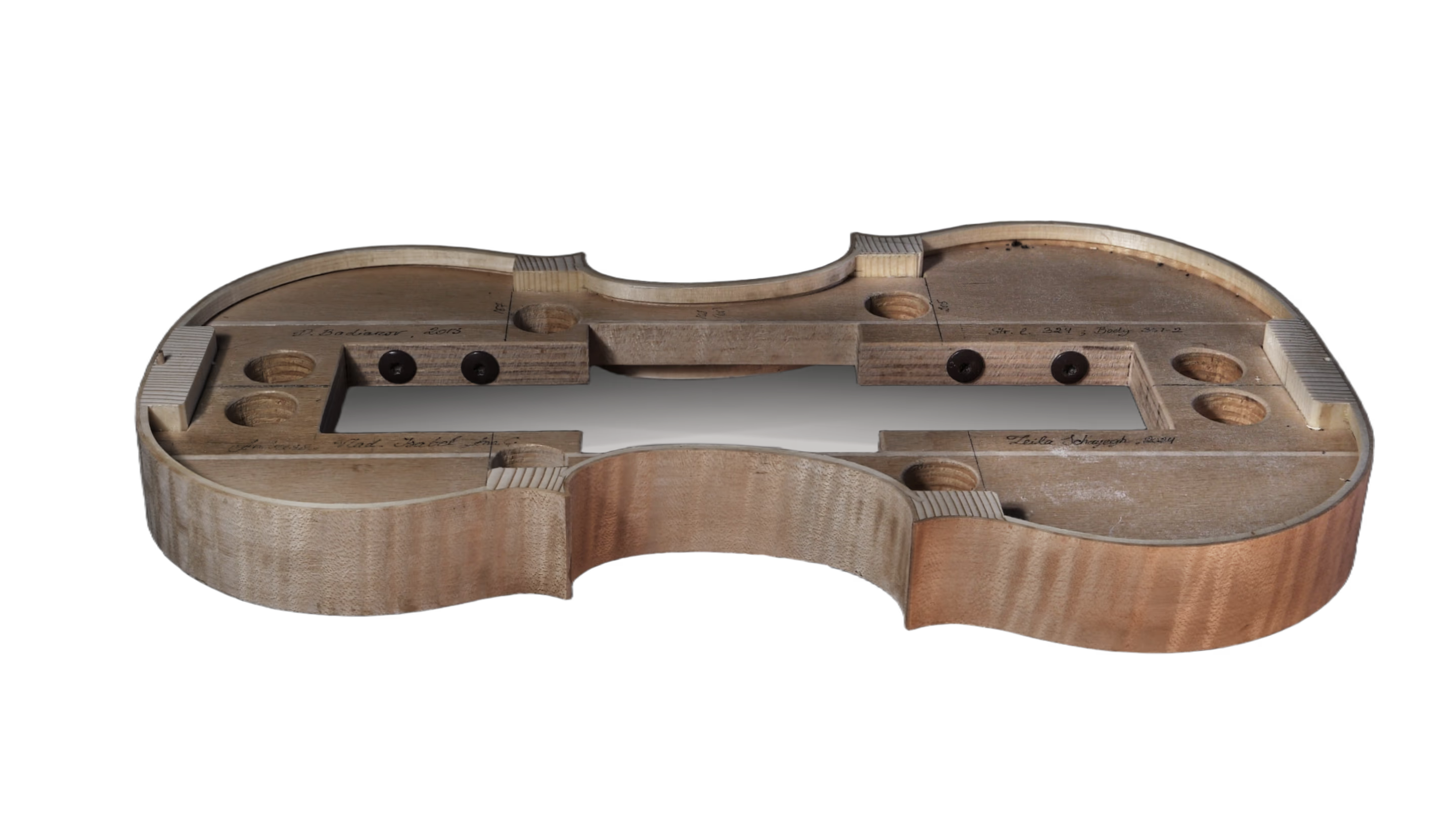
Once the sound ideal is clear, we may either create a custom model or customise one of the existing models. The ribs are then made. I always exchange photos and videos throughout the process. For you, it should feel as though your instrument is being made just across the street.
The back, scroll, and neck
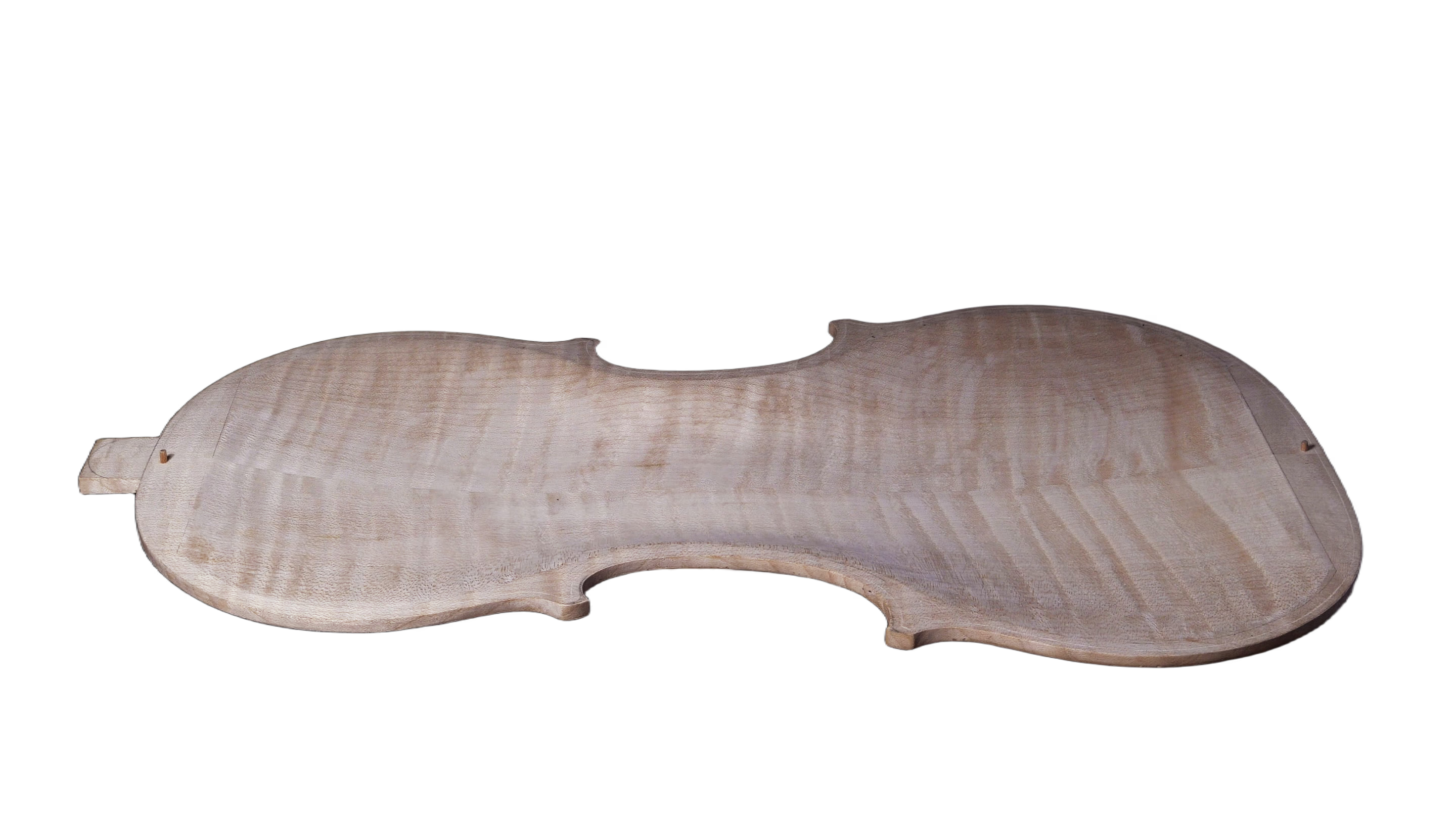
Before the back is joined to the ribs, the scroll and neck are often prepared, especially in the case of a baroque violin. The back shown here is then carved and fitted. The choice of wood, arching, and final finish depends entirely on the goal the instrument must serve.
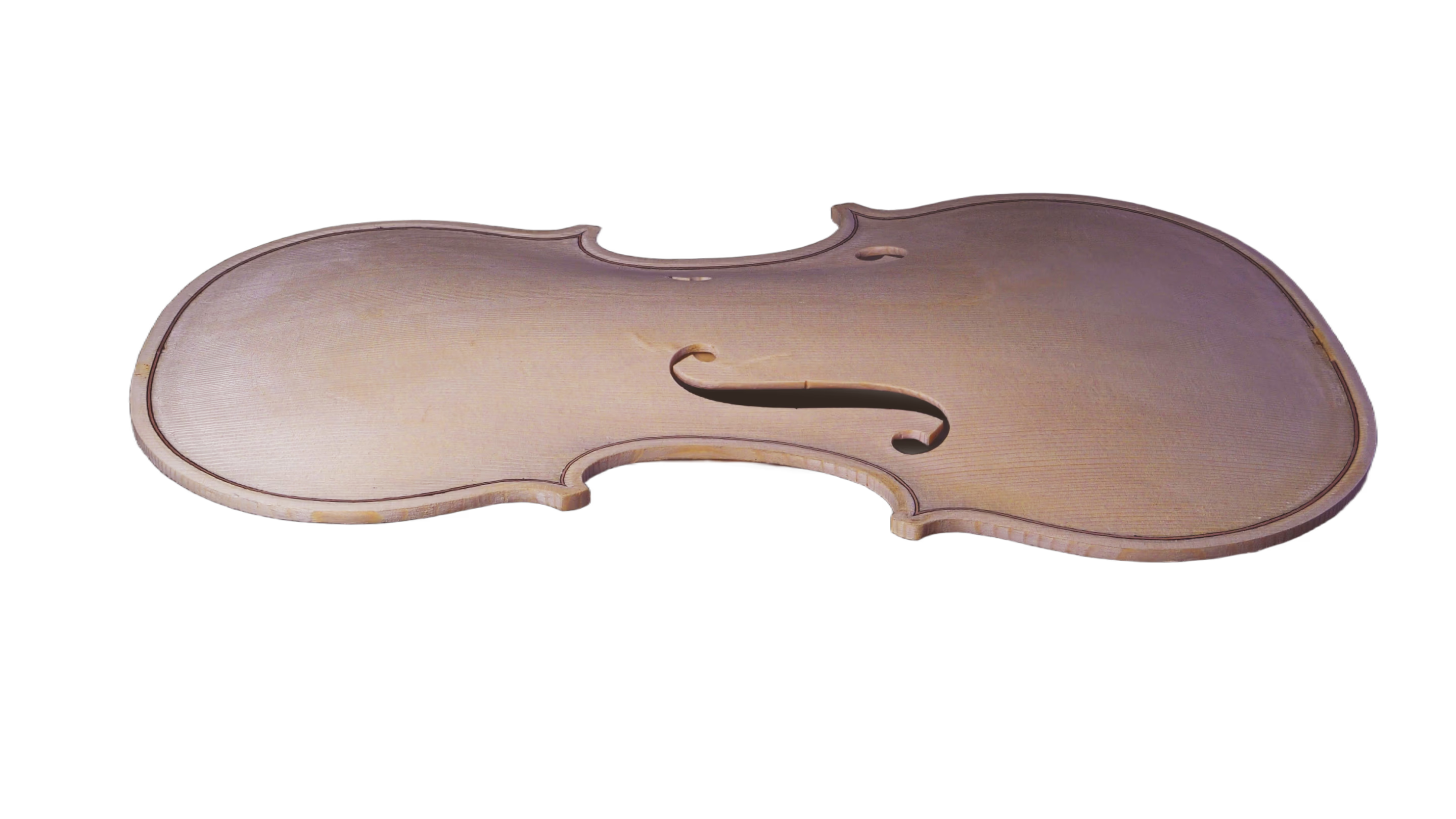
The top
When the top is carved before your eyes, complete with purfling and f-holes, the instrument suddenly starts to feel very real. What was once a conversation, a sketch, and a collection of ideas begins to resemble the instrument you will eventually play.
Completion
The acoustic and ergonomic result is predictable enough for the parts to be pre-varnished before assembly, so they feel more settled, like the plates of an old instrument. In many cases, however, musicians also want to play the instrument in the white. This allows the tonal outcome to be controlled and directed before the final finish. Perhaps this is one reason why musicians from around the world have commissioned instruments without ever meeting me or my instruments in person first, and why several have commissioned not one instrument, but two, three, or more.
Not every musician can own a Stradivari. Every musician still needs a voice.
This is why Badiarov Violins exists: to bridge that gap and carry forward the lost harmony-first tradition of instrument making. You are invited to join us in its preservation.
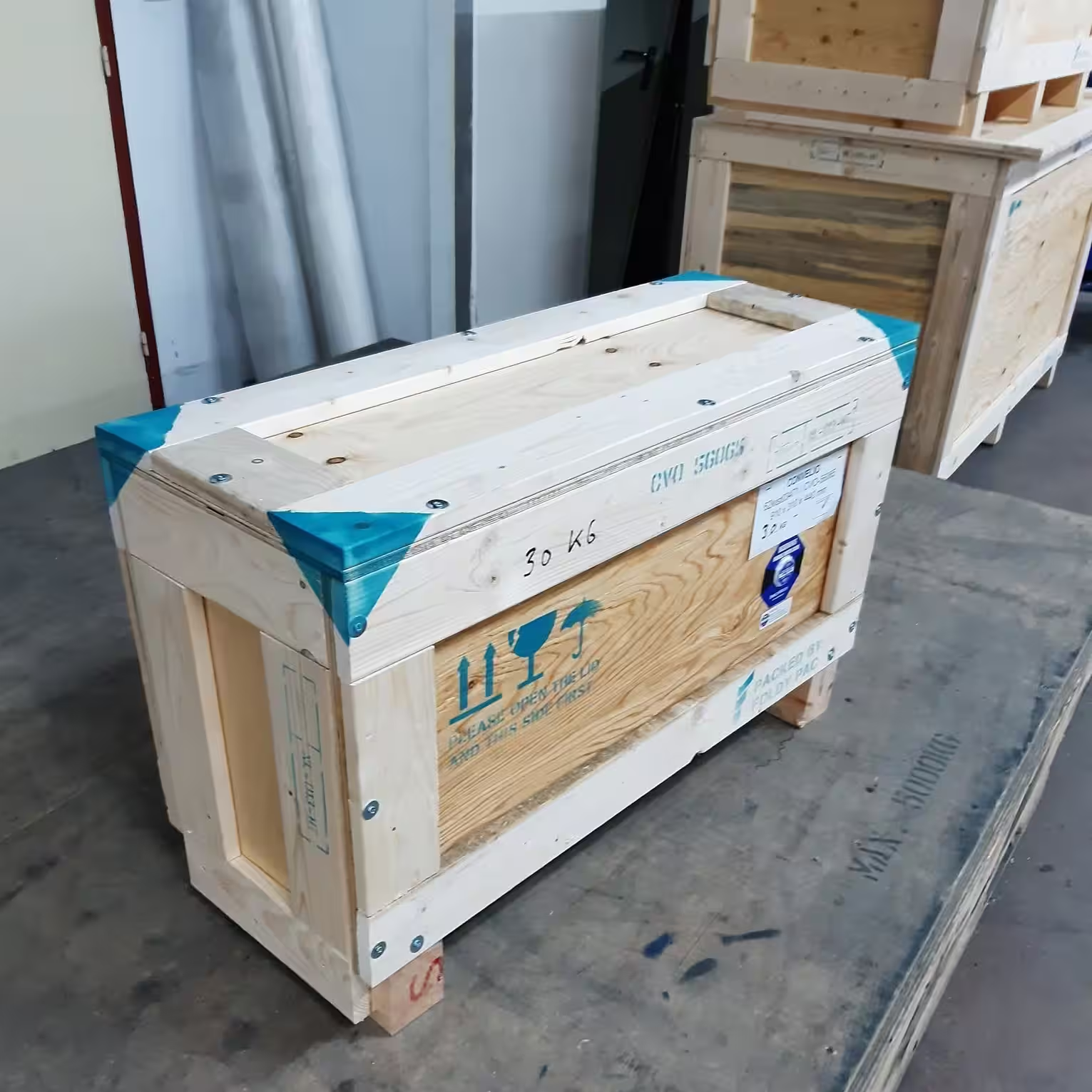
Delivery
In many cases, musicians visit us in The Hague and collect their instrument in person. Others prefer delivery. For this we use a specialised art delivery service accustomed to transporting valuable works of art and musical instruments. Many clients have told me that the white-glove delivery was one of the most enjoyable parts of the commissioning journey. In some cases, it is also considerably less expensive than intercontinental travel.
Continuation
Every instrument comes with a lifetime guarantee for tonal maintenance. We want the instrument to perform at its utmost potential and exceed your expectations every time. Instruments are never truly owned. They last for centuries and pass through many hands. You are simply giving your instrument a beautiful reason to exist.
Dmitry Badiarov began making instruments more than thirty years ago, when early commissions were sometimes priced between €500 and €1,000. Those prices belong to a different period of the work. Contemporary commissions begin from €22,000, while the most commonly chosen bespoke setup is around €35,000. Not all instruments are priced the same. There is a considerable difference between an instrument made as quickly and economically as possible and an instrument expected to hold its own against priceless antiques.
Before commissioning an instrument
Frequently Asked Commissioning Questions
A commission begins with the musician, not with a fixed template. Dmitry Badiarov asks about repertoire, pitch standard, current instrument, physical needs, desired response, tonal direction, and the role the new instrument must serve. From there, the model, setup, wood, proportions, stringing, and adjustment can be considered with a clear musical purpose.