The Dies Irae Viola
A viola shaped from the Dies Irae chant
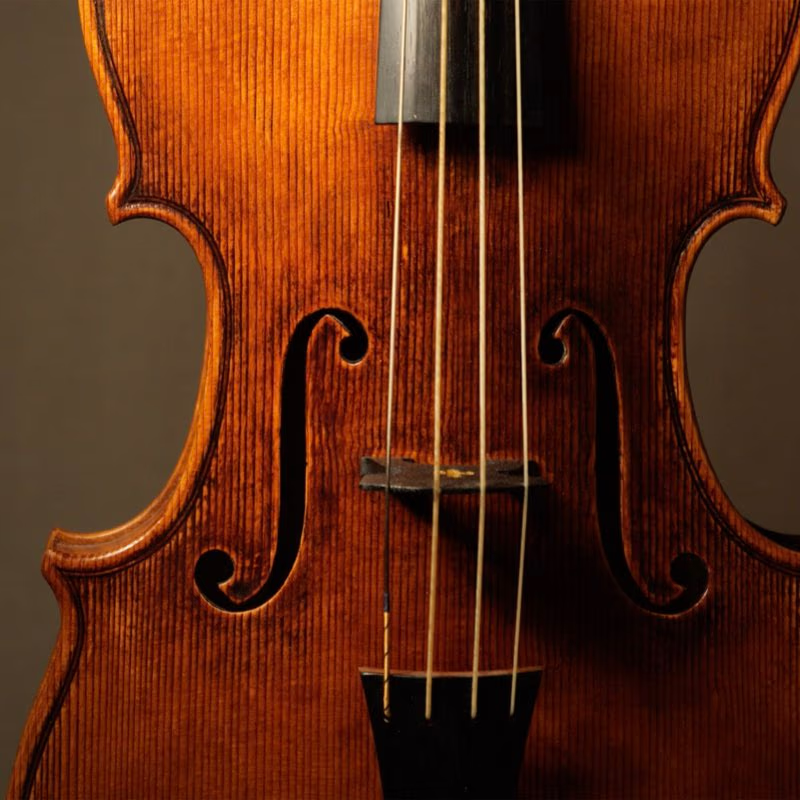
A chant translated into viola form
The Dies Irae Viola takes its inner proportions from the medieval Dies Irae chant. Musical relationships from the chant are translated into the structure, balance, and response of the instrument rather than treated as decorative symbolism.
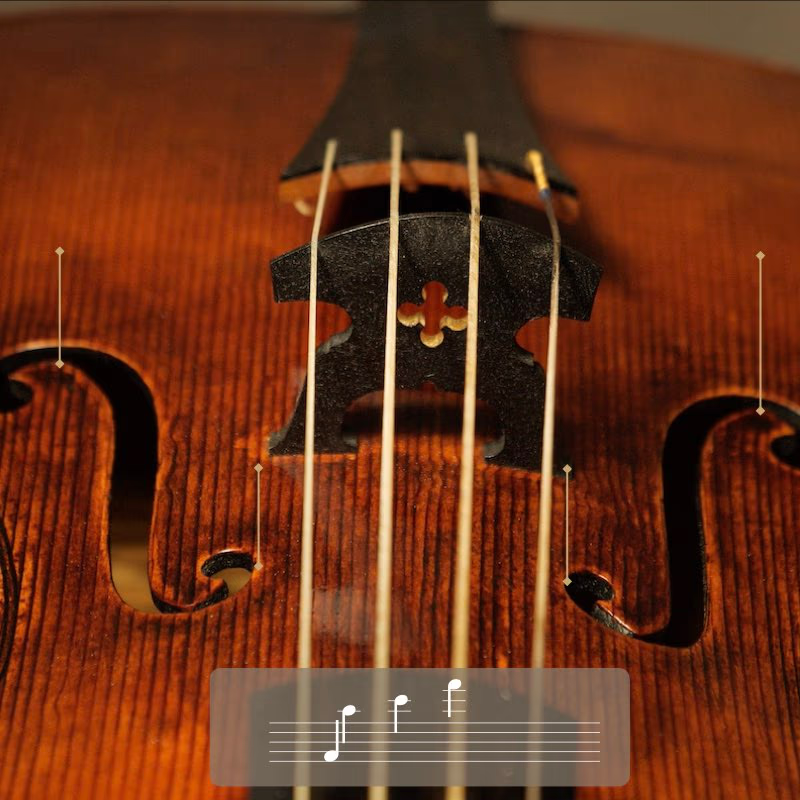
Thickness and arching calibrated for projection and resonance.
Musical structure as proportion
In the Dies Irae Viola, measurements follow musical relationships rather than external form alone. Thickness, arching, outline, and balance are developed through harmonic proportion before the instrument is completed physically.
Harmony-first viola construction at Badiarov Violins.
Harmony as foundation
The model was developed to give violists projection, clarity, and physical ease without sacrificing depth of sound. Across solo, chamber, and ensemble settings, the instrument remains stable, responsive, and balanced throughout the register.
Made for professional performance
The viola projects clearly across registers while preserving the distinct character of each string. Stable from 382Hz to 465Hz, it can be adapted for both historical and modern performance contexts.
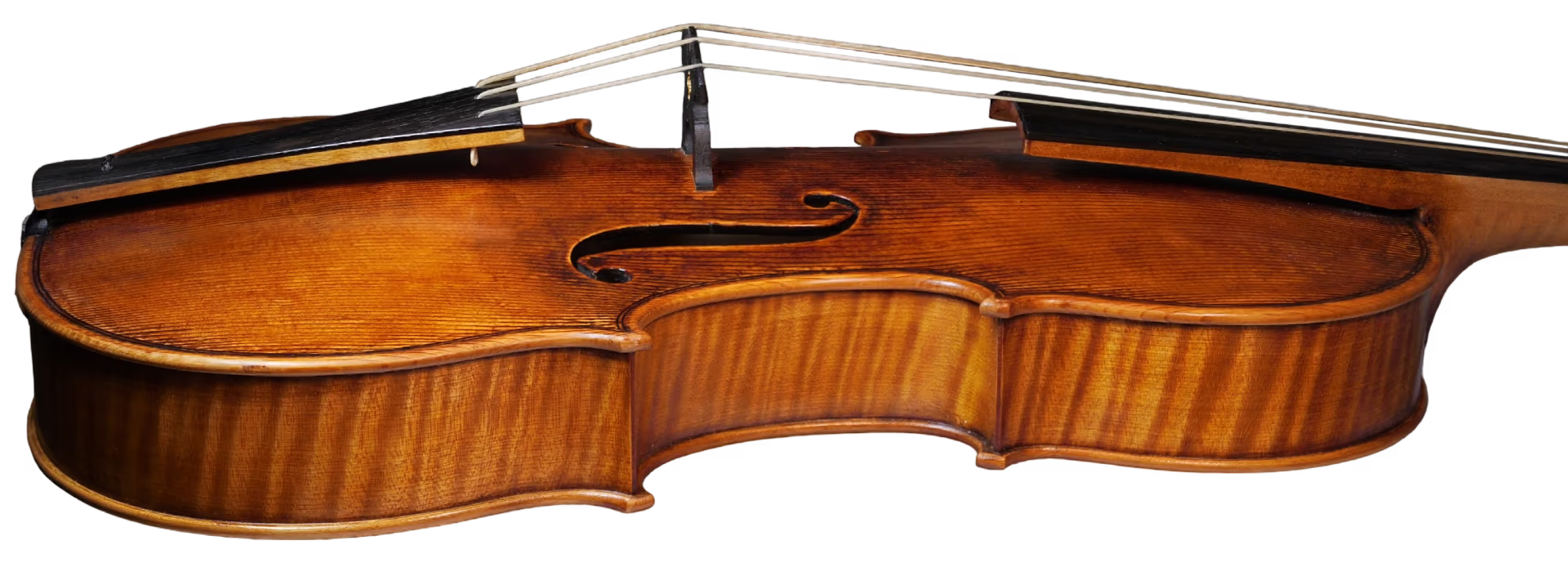
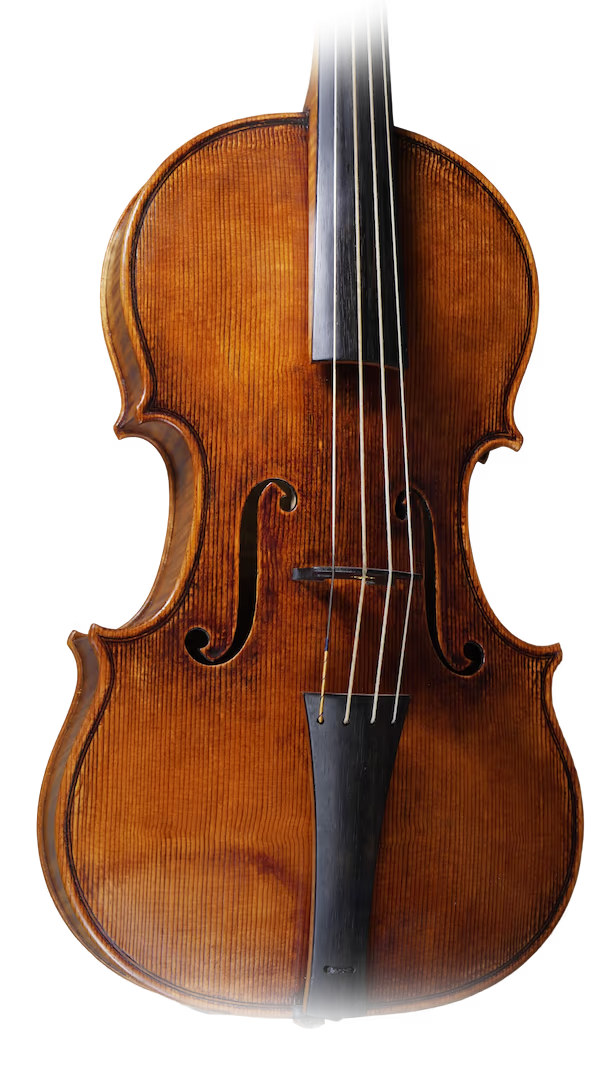
“How can a new instrument be predictable before it is finished?”
A commission is not guesswork. Before measurements are fixed, Badiarov studies the musician’s repertoire, physical needs, intended sound, setup, pitch, and practical performance context.
This is the role of his harmony-first method: musical relationships are translated into proportion, geometry, response, and voice, so the instrument is shaped with clear musical and physical purpose.
The method has informed repeated commissions for professional musicians including Sigiswald Kuijken, Sergey Malov, and Ryo Terakado.
Witnesses
“Dmitry has unique ideas and his violins have distinct characters. Every instrument is different, and I own three of his. I know nobody with his intelligence and originality.”
Ryo Terakado
Violinist, Conductor, Concertmaster
“Un liutaio fuori della normalità”
Luís Otávio Santos
Violinist, Conductor, Concertmaster
“Luthier de génie.”
Hubert Stoecklin
Author at Culture31
Commissioning the Dies Irae Viola
Each Dies Irae Viola is made to commission for a specific musician, repertoire, setup, pitch, and physical relationship with the instrument.
Workshop and bespoke versions are available. Investment depends on the model, materials, setup, and artistic requirements.
Commissioning begins with a private conversation.
Made individually for professional use.